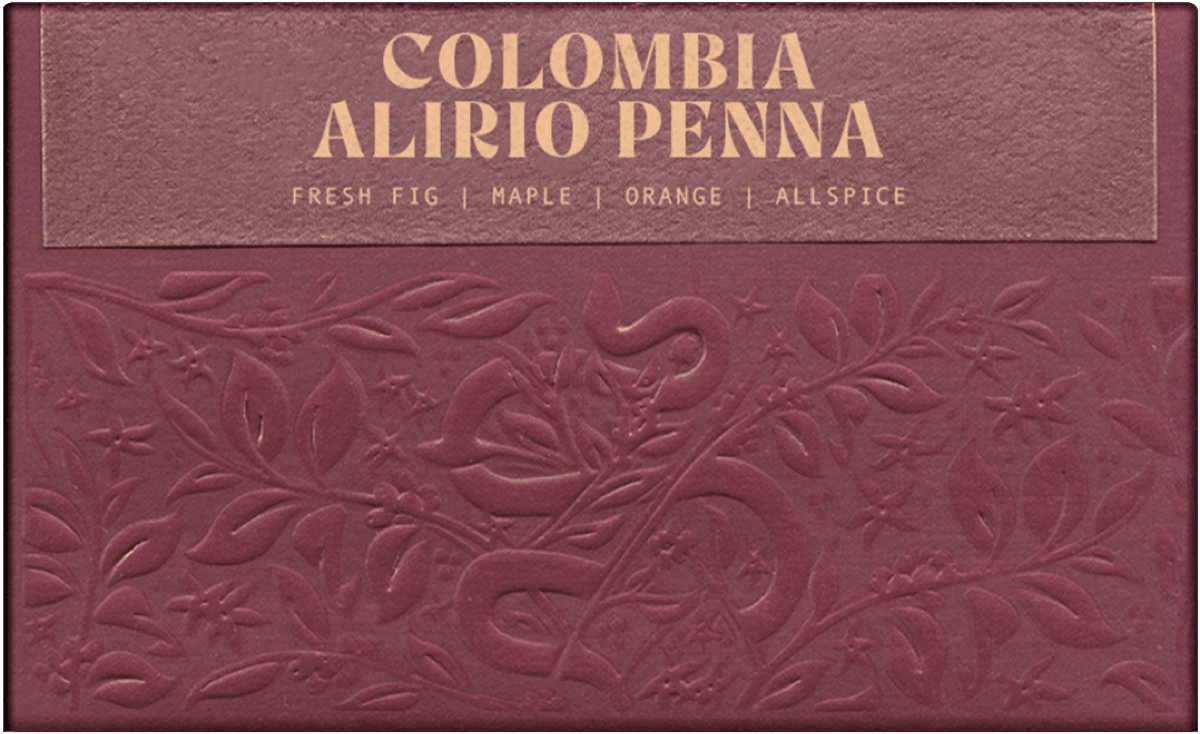
Finca Milan · Kolumbien · Caturra · Watermelon Nitro Washed
About This Coffee
Finca Milan is a true pioneer when it comes to coffee from Colombia. Founded in 2014 by Julio Cesar Madrid, a true veteran in the coffee business and a third-generation coffee farmer. His goal was not just to make coffee like everyone else in Colombia. Instead, he completely converted his three farms—Riviera, Milán, and Buenos Aires—to specialty coffee. He planted different coffee varieties and developed various fermentation processes to make his coffees truly unique. At Finca Milan, the focus is on controlling all fermentation processes. The team has determined the best fermentation times for each coffee variety as well as drying protocols that use different systems and techniques. Today, a whole range of fermentation processes is available, including washed, natural, cultured, nitro fermentation, and the bioreactor method. Julio's farms and those of his partners are all located in Risaralda, Colombia, on over 200 hectares of land with around one million coffee plants and more than 20 different coffee varieties. The soils there are young and rich in organic matter, which, together with the special environment and a cloudy climate that extends the ripening of the fruit, ensures that the coffee from Uba develops particularly complex and unique flavors. Here's a brief overview of what happens during fermentation: The coffee is fermented in a bioreactor, where it is combined with fruit juice (in this case, watermelon), starter cultures, and culture filtrates. The oxygen in the bioreactor is replaced with nitrogen. During this process, temperature, pH, and Brix levels are closely monitored. The parameters for these fermentations are based on continuous research and adhere to a specific range of values. After fermentation and the removal of the mucilage, the coffee beans undergo a meticulous drying process. First, they are dried under the sun for twenty days to absorb the natural essence of the sun. This is followed by a five-day mechanical drying phase to fine-tune the moisture content. This combination of drying methods preserves the delicate aromas and flavor notes of the beans.
Original roaster text
- Description
- Finca Milan ist ein echter Vorreiter in Sachen Kaffee aus Kolumbien. 2014 von Julio Cesar Madrid ins Leben gerufen, einem echten Veteranen im Kaffeegeschäft und Kaffeebauer in dritter Generation. Sein Ziel war es, nicht einfach nur Kaffee zu machen wie alle anderen in Kolumbien. Stattdessen hat er seine drei Farmen – Riviera, Milán und Buenos Aires – komplett auf Spezialitätenkaffee umgestellt. Er hat verschiedene Kaffeesorten angepflanzt und verschiedene Fermentationsverfahren entwickelt, um seine Kaffees wirklich einzigartig zu machen. Bei der Finca Milan liegt der Fokus auf der Kontrolle aller Fermentationsprozesse. Das Team hat die besten Fermentationszeiten für jede Kaffeesorte herausgefunden sowie Trocknungsprotokolle, die verschiedene Systeme und Techniken nutzen. Heute ist eine ganze Palette von Fermentationsprozessen im Angebot, darunter gewaschen, natürlich, kultiviert, Nitro-Fermentation und das Bioreaktor-Verfahren. Die Farmen von Julio und seinen Partnern liegen alle in Risaralda, Kolumbien, auf über 200 Hektar Land mit rund einer Million Kaffeepflanzen und mehr als 20 verschiedenen Kaffeesorten. Die Böden dort sind jung und reich an organischer Substanz, was zusammen mit der besonderen Umgebung und einem Klima mit vielen Wolken, das die Reifung der Früchte verlängert, dafür sorgt, dass der Kaffee von Uba besonders komplexe und einzigartige Aromen entwickelt. Hier ist noch kurz, was bei den Fermentationen so abläuft: Der Kaffee wird in einem Bioreaktor fermentiert, wo er mit Fruchtsaft (in diesem Fall Wassermelone), Starterkulturen und Kulturfiltraten kombiniert wird. Der Sauerstoff im Bioreaktor wird durch Stickstoff ersetzt. Während dieses Prozesses werden Temperatur, pH-Wert und Brix-Level genau überwacht. Die Parameter für diese Fermentationen basieren auf kontinuierlicher Forschung und halten sich an einen spezifischen Wertebereich. Nach der Fermentation und der Entfernung des Schleims durchlaufen die Kaffeebohnen einen akribischen Trocknungsprozess. Zunächst werden sie zwanzig Tage lang unter der Sonne getrocknet, um das natürliche Wesen der Sonne aufzusaugen. Dies wird gefolgt von einer fünftägigen mechanischen Trocknungsphase, um den Feuchtigkeitsgehalt fein abzustimmen. Diese Kombination von Trocknungsmethoden bewahrt die delikaten Aromen und Geschmacksnoten der Bohnen.
This coffee is sold out
Sold out since Aug 2026
Last listed at €18.90 / 200g